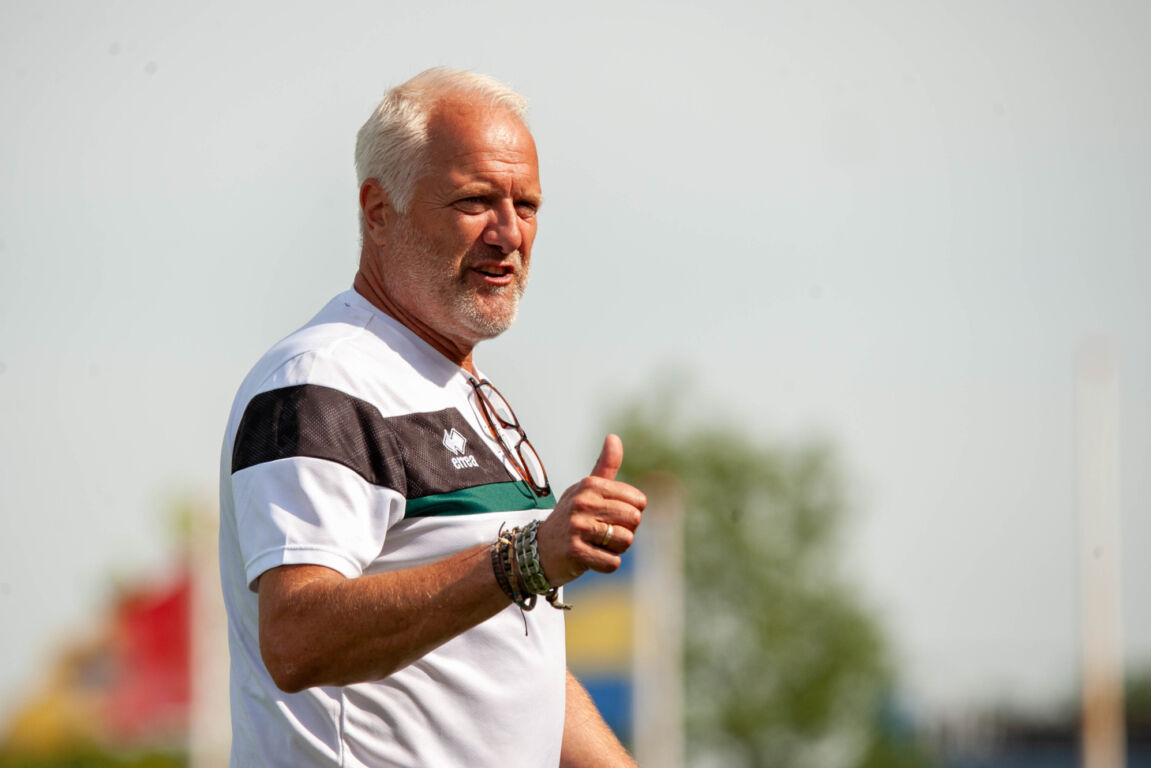
When people talk about modern women’s football in the Netherlands, the conversation often circles high-profile dugouts and trophy-studded nights. Behind that spotlight sits Marten Glotzbach—a coach with classroom polish, a builder of youth pathways, and since 2024, the head coach guiding ADO Den Haag Women in the Vrouwen Eredivisie. His career blends education, player development, and tactical coaching in a way that feels uniquely Dutch: systematic, patient, and relentlessly focused on nurturing talent.
Why Marten Glotzbach Matters Right Now
- He stepped up to lead ADO Den Haag Vrouwen during a transitional period, bringing academy know-how and a long view of player development.
- He’s spent decades as an economics teacher at Segbroek College, using data-literate thinking and structured mentoring to shape young athletes.
- He has been a constant presence in women’s football pipelines—from youth squads to the senior touchline—helping convert school-aged enthusiasm into professional readiness.
A Career Built on Two Pillars: School and Sidelines
The Segbroek College Influence
Long before Marten Glotzbach took the senior headset, he took attendance. His day-job grounding as an economics teacher at Segbroek College shaped an approach that treats players as student-athletes. In practice, that means:
- Time-management and planning: players build individualized schedules that account for training, recovery, and coursework.
- Decision-making frameworks: economics tools—trade-offs, marginal gains, expected value—translate naturally to game preparation and in-match choices.
- Data-literate habits: players learn to read match data as if it were a balance sheet, understanding where the team invests energy and where it earns returns.
This schooling-meets-football setup is more than a résumé line; it underpins Glotzbach’s belief that smart preparation multiplies talent.
Climbing the ADO Den Haag Ladder
Before the senior job, Marten Glotzbach spent seasons in ADO’s girls’ and youth set-ups, coaching MO16 and MO17 squads and helping formalize a pathway from school pitches to the club’s U-teams and ultimately the first team. That continuity matters:
- Shared vocabulary: players entering the senior side already understand the training language and expectations.
- Cultural cohesion: standards of punctuality, intensity, and feedback trace back to the academy.
- Quicker transitions: tactical principles—press triggers, rest-defense shapes, and build-out patterns—scale smoothly from youth to senior football.
His appointment to the top job in December 2024 felt less like a revolution and more like a hand-over to a builder who already knew where every bolt and beam belonged.
Inside His Coaching Philosophy
Player Development Comes First
For Glotzbach, league tables matter—but progress markers matter more. He emphasizes:
- Role clarity: each player has a two-line job description for with-ball and without-ball phases.
- Micro-goals: monthly targets (e.g., “win 55% of aerial duels,” “arrive in the box five times per match from LW zone”) create momentum players can feel.
- Video with purpose: short, focused clips (30–90 seconds) before and after training sessions keep learning tight and relevant.
Tactical Principles You See on the Pitch
While he adapts to personnel, several repeating themes define a Marten Glotzbach team:
- Compact rest-defense: when attacking, the six and the near-side full-back stay disciplined to kill counters early.
- Wide overloads, central finish: wingers and a roaming eight create 2v1s out wide, but the final thrust aims for central high-value shots.
- Press with cues, not chaos: the press ignites on predictable triggers—heavy touch, back-pass to a weak foot, or a lofted switch—so the team spends energy at the right moments.
The Educator’s Touch in Team Culture
Glotzbach’s dressing rooms borrow from good classrooms:
- Socratic reviews: players answer “what did you see?” before staff prescriptions.
- Peer feedback: small groups review clips and propose one concrete adjustment for the next match.
- Psychological safety: you can be wrong, but you must be honest. This keeps learning velocity high.
The 2024–25 Campaign: Stabilize, Structure, Build
Taking over mid-season is like boarding a moving train. The early mandate was simple: stabilize performances and make the floor higher, even if the ceiling takes time. Hallmarks of that season under Marten Glotzbach included:
- Shored-up defensive phases: fewer high-risk giveaways in build-out, clearer rest-defense assignments, and improved set-piece organization.
- Incremental attacking patterns: more consistent occupation of the half-spaces and better timing on overlaps to reach the byline.
- Youth integration: academy graduates received minutes with structured support—mentor pairings, targeted session themes, and simplified roles.
Result: a mid-table finish that belied meaningful under-the-hood progress—not least in defensive xGA trends and shot-quality conceded. The message for 2025–26? Keep the structure, add punch.
Recruitment and Development: How He Shapes a Squad
Profile-First Scouting
Glotzbach’s staff uses a profile grid to evaluate fits:
- Full-backs: repeat sprints, weak-side awareness, and cross quality from Zones 14b/15.
- Six: scanning cadence under pressure, passing range to switch play, discipline in rest-defense.
- Wingers: 1v1 threat plus pressing intelligence (cover shadows, lane blocking).
- Striker: link-play on first contact, timing across the near post, and defensive work on the first line.
Pathways from School to Senior
The Segbroek-ADO corridor is a living pipeline:
- School tournaments as ID events feed trial lists.
- Hybrid schedules allow school players to train with the club two to three times weekly.
- Module-based education (nutrition, recovery, leadership) travels with players as they step up levels.
Game Model in Four Phases
- Build-Out: Two-three structure with a six dropping situationally; short combinations until the press splits, then a fast switch to the weak-side winger.
- Chance Creation: Occupy both half-spaces; one wide overload and an opposite-side under-lap to stress the back line.
- Defensive Block: Mid-block default, springing to high press on triggers; compact between the lines to starve through-balls.
- Transitions: Immediate five-second counter-press; if the first duel is lost, retreat into a 4-1-4-1 shell, force outside, and reset.
Training Week Under Glotzbach
- MD-4: Physical prep + small-sided games for intensity.
- MD-3: Tactical theme (e.g., press traps); 10-minute video primer.
- MD-2: Set-pieces and patterned attacks; finishing circuits.
- MD-1: Speed of play + confidence reps (first-touch and quick combinations).
- MD: Roles reviewed on a single A4: pressing cues, restart duties, subs’ micro-goals.
Leadership and Communication
With Players
He communicates in clear, compact language: two strengths, one focus point, one action for next match. Feedback is delivered privately first, then reinforced with training design that helps players experience the solution.
With Staff
Staff meetings run like a lesson plan: objectives, assessment criteria, and “exit tickets” (what did we learn, what changes tomorrow?). The educator’s DNA keeps the staff aligned and the week efficient.
Relationship Context: Family and Football
While public attention often follows England head coach Sarina Wiegman, Marten Glotzbach has carved his own lane—often intersecting through shared values: discipline, clarity, and development. The family perspective shows up in the way his squads value balance: football that competes, and a framework that supports life outside the game.
What to Watch in 2025–26
- Attacking efficiency: turning controlled territory into higher shot volume from central lanes.
- Set-piece evolution: near-post screens and late runs from the weak-side eight.
- Youth minutes: another cohort stepping into senior roles, with the pipeline continuing to pay off.
- Table ambition: a push from consolidation to contention, measured in points per match and goal difference.
Why Media Often Calls Him an “Educator-Coach”
Because the label fits. Marten Glotzbach fuses teacherly structure with football nuance. The result is a program that grows players—technically, tactically, and mentally. In an era obsessed with transfers and instant results, his edge is compounding development.
FAQs: Marten Glotzbach
How did Marten Glotzbach’s teaching background shape his coaching?
Years in the classroom sharpened his ability to translate complex ideas into simple actions. Expect goal-oriented micro-targets, short video primers, and a culture where questions are welcomed because they speed learning.
What is distinctive about his tactics at ADO Den Haag Women?
A compact rest-defense, well-timed pressing triggers, and wide overloads that funnel chances into central finishing zones. It’s pragmatic football with clear responsibilities.
How does he integrate academy players without stalling results?
He gives rookies role clarity, pairs them with mentors, and designs training themes that directly support their match duties. Minutes arrive when readiness meets team need.
Where does data fit into his decision-making?
Data informs—not dictates. He uses match analytics to confirm on-pitch impressions: shot quality, pressing efficiency, and transition outcomes. Players learn to read those numbers, too.
What should ADO fans expect in the near term?
A steady climb built on defensive structure, smarter possession, and incremental attacking improvements—plus visible growth from academy grads stepping into senior football.
How does he handle set-pieces?
With school-teacher precision: scripted roles, rehearsed timing, and opponent-specific tweaks. Corners often feature decoy screens to free the real target.
How does his work benefit Dutch women’s football overall?
By strengthening the school-to-club pathway and raising standards in youth coaching, he helps widen the base of prepared, resilient players—feeding both club and national-team ecosystems.
