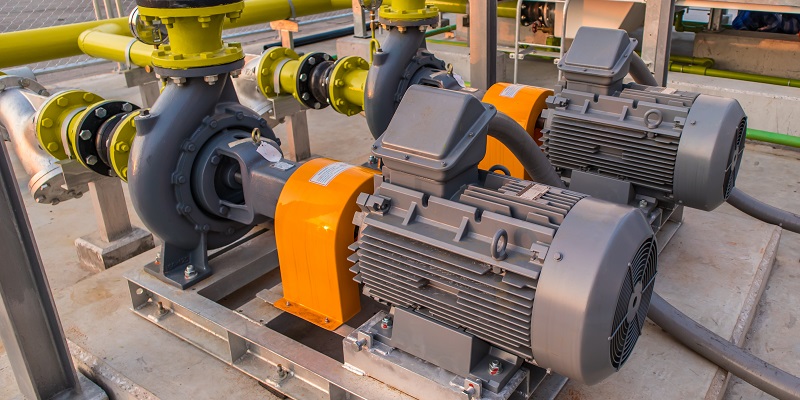
The hydraulic pump is the powerhouse of countless industrial, mobile, and manufacturing systems. It is the component that converts mechanical energy into hydraulic energy, driving heavy machinery, controlling precision tools, and ensuring the smooth operation of essential equipment from excavators to injection molding machines. Because the pump is often the most expensive and complex component in a hydraulic circuit, its failure can lead to costly downtime, emergency repairs, and significant operational disruption. Extending the lifespan of this critical component is not a matter of luck; it is a discipline of meticulous maintenance, operational awareness, and a deep understanding of the pump’s most significant enemies.
A typical hydraulic pumps is designed to last for tens of thousands of operating hours. However, in real-world conditions, its longevity is often cut short by preventable factors. The vast majority of hydraulic system failures, including pump failure, can be traced back to three primary culprits: contamination, excessive heat, and improper fluid condition. By rigorously controlling these variables, owners and maintenance teams can dramatically reduce wear, maintain efficiency, and ensure the pump delivers its maximum expected service life.
The Heat Burden: Thermal Management
Excessive heat is the second major killer of hydraulic pumps and fluid. While pumps generate some heat during normal operation due to internal friction, sustained high temperatures drastically accelerate the degradation of the hydraulic fluid and seals. For every 10∘C (18∘F) rise above the optimal operating temperature (typically 60∘C or 140∘F), the life of the oil is roughly halved.
When oil overheats, it oxidizes rapidly, forming sludge, varnish, and acidic compounds that attack seals and clog internal passages. This varnish coats internal pump surfaces, impeding the movement of components and increasing friction, which, in turn, generates more heat—a destructive cycle.
To ensure optimal thermal management:
- Check the Cooler: Regularly inspect and clean the oil cooler (whether air or water-based) to ensure it is operating at maximum efficiency. Blocked fins or scale buildup severely limit heat rejection.
- Maintain Fluid Level: Ensure the reservoir level is always adequate. A proper volume of oil is necessary to allow the fluid to “dwell” and cool before being cycled through the pump again.
- Monitor the Temperature: Use high-quality temperature gauges and alarms. If the system consistently runs hot, investigate the source—it could be a problem with the cooler, relief valve settings, or even an external issue like poor ventilation.
Operational Practices and Installation Integrity
Even with perfectly clean and cool oil, improper operational practices or initial installation errors can significantly shorten a pump’s life.
Proper Start-up and Priming: Before initial startup or after a prolonged shutdown, hydraulic pumps must be properly primed or “bled” of air. Starting a pump dry or with air pockets will instantly cause cavitation damage. Follow the manufacturer’s procedure for filling the pump housing and starting the motor briefly under no-load conditions.
Alignment and Mounting: Pump failures are often tied to coupling misalignment between the pump shaft and the motor. Misalignment causes excessive side loads on the pump shaft bearings and seals, leading to premature failure and energy loss. Ensure the coupling is aligned within the manufacturer’s strict tolerances, typically using a laser alignment tool. Also, verify that the pump is mounted securely and that the suction line is correctly sized and routed to minimize pressure drops at the inlet.
Pressure Settings: Avoid running the pump at pressures higher than necessary for the application. Running consistently above the pump’s optimal or rated continuous pressure accelerates wear. Regularly check and calibrate relief valve settings to ensure the system is not needlessly spiking pressure.
Conclusion: Maintenance as Performance Insurance
Extending the lifespan of your hydraulic pump is an exercise in meticulous control. It requires a dedicated commitment to treating the hydraulic fluid as a critical component, not a commodity. By prioritizing contamination control through proper filtration, managing the system’s thermal envelope, and ensuring the fluid’s type and condition are always within specification, maintenance teams can eliminate the three primary causes of premature failure. This proactive approach not only protects a major capital investment but also ensures the hydraulic system operates at peak efficiency, minimizing energy waste and eliminating costly, disruptive downtime. A well-maintained pump is a symbol of operational excellence and a reliable source of power for years to come.
