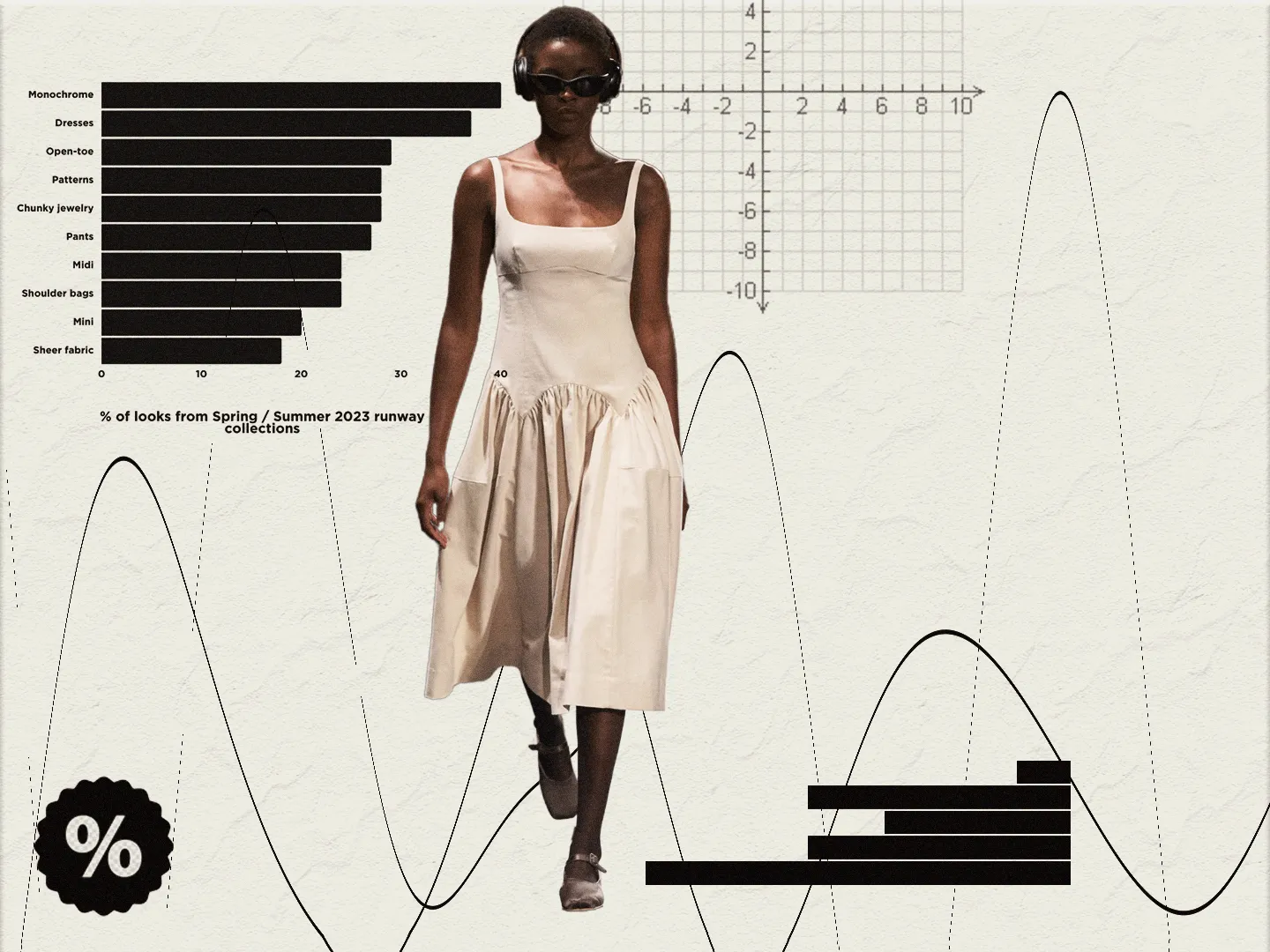
The fashion industry has always evolved at the intersection of culture, craft, and commerce. Yet a profound transformation is unfolding beneath the visible layers of runway drama and editorial styling. Today, data intelligence and algorithmic design systems are influencing how luxury collections are conceived, produced, and distributed—often without consumers ever realizing it.
This is not about beginner-level trend forecasting or generic “tech in fashion” commentary. This is about how advanced analytics, machine learning, and behavioral data are reshaping creative authority, redefining exclusivity, and altering the economic logic of fashion houses operating at the highest level.
From Intuition to Intelligence: The New Creative Infrastructure
Luxury fashion has historically celebrated intuition—designers responding to emotion, art, and cultural shifts. While that instinct-driven ethos remains vital, it is now supported by complex data ecosystems that reduce uncertainty without diluting creativity.
Modern fashion intelligence systems ingest thousands of variables, including:
-
Historical sell-through rates by silhouette and fabric
-
Regional color adoption patterns across seasons
-
Social sentiment velocity rather than raw engagement
-
Return-rate correlations tied to fit and material choices
Design teams at houses such as Gucci and Prada increasingly treat data as a creative constraint, not a creative replacement. Algorithms do not design garments—but they shape the decision space within which designers operate.
Why This Matters for Luxury
In luxury, failure is expensive and visibility is unforgiving. Data-driven design minimizes:
-
Overproduction that damages brand equity
-
Excess discounting that erodes perceived value
-
Seasonal misalignment between runway and retail reality
The result is a quieter, more controlled form of innovation—less reactive, more deliberate.
Algorithmic Merchandising and the Death of “One-Season Fits All”
The traditional fashion calendar assumes global synchronicity. Data has exposed this as a costly illusion.
Luxury brands now deploy micro-seasonal merchandising models, using predictive systems to stagger drops, adjust allocations, and customize assortments by geography.
Key shifts include:
-
Northern Europe receiving heavier outerwear drops earlier than legacy calendars dictate
-
Asia-Pacific markets seeing colorways withheld from Western launches
-
Capsule collections engineered for climate, cultural events, or spending cycles
This approach transforms fashion from a monolithic seasonal event into a distributed narrative, unfolding differently across markets while remaining conceptually unified.
Creative Direction in the Age of Predictive Signals
One of the most controversial shifts in high fashion is the integration of predictive signals into early-stage design ideation.
These signals may include:
-
Emerging silhouette traction detected months before mainstream visibility
-
Fabric innovation adoption curves across adjacent industries
-
Archive performance modeling to identify underutilized heritage assets
Rather than chasing trends, luxury houses are anticipating emotional resonance—identifying what consumers will value, not just what they will like.
The Rise of Archive Intelligence
Archives were once static museums of past glory. Today, they are dynamic datasets.
By analyzing archival performance through a modern lens, brands can:
-
Reinterpret dormant design codes with proven desirability
-
Identify historical pricing thresholds that still hold psychological power
-
Rebuild icons with modern materials while preserving emotional continuity
This practice preserves authenticity while ensuring relevance—a critical balance in luxury.
Supply Chains Designed for Scarcity, Not Scale
Mass fashion optimizes for efficiency. Luxury optimizes for controlled scarcity.
Advanced demand modeling allows brands to:
-
Produce closer to actual demand without compromising exclusivity
-
Reduce excess inventory without increasing retail volatility
-
Maintain long-term price integrity across primary and secondary markets
This is particularly important as resale ecosystems grow more sophisticated. Data-driven production protects brand value not just at retail, but across the entire product lifecycle.
Sustainability as a Data Problem, Not a Marketing One
Luxury sustainability discussions often focus on materials and messaging. Internally, however, the most impactful changes are quantitative.
Data-led sustainability strategies include:
-
Lifecycle impact modeling at the design stage
-
Supplier scoring systems that integrate environmental risk metrics
-
Predictive waste reduction tied to demand accuracy
Rather than reacting to regulatory pressure, leading fashion houses are embedding sustainability into operational mathematics, making responsibility a default outcome rather than a promotional claim.
The Quiet Redefinition of Exclusivity
Exclusivity used to mean access. Today, it increasingly means precision.
When brands understand their clients at a granular level, they can:
-
Personalize private client offerings without mass customization
-
Control exposure while increasing emotional relevance
-
Design experiences that feel intimate, not ubiquitous
Data allows luxury to become selective again—without becoming opaque or outdated.
What This Signals for the Future of High Fashion
The fusion of data intelligence and creative direction does not signal the end of artistry. Instead, it marks a shift toward intentional design ecosystems where creativity is amplified by clarity.
The most successful fashion houses of the next decade will not be those that chase virality, but those that master:
-
Predictive restraint
-
Cultural timing
-
Quantitative storytelling
Fashion is no longer just worn—it is engineered to resonate.
Frequently Asked Questions
How does data-driven design differ from traditional trend forecasting?
Data-driven design focuses on behavioral and performance signals rather than aesthetic trend cycles, allowing brands to anticipate demand with greater precision.
Can algorithmic insights limit creativity in luxury fashion?
When used correctly, algorithms define boundaries, not outcomes, giving designers a clearer creative framework rather than restrictive rules.
Is this approach only viable for large fashion houses?
While scale enhances data quality, smaller luxury brands can adopt modular analytics tools to support limited-run or made-to-order strategies.
How does data impact fashion pricing strategies?
Advanced analytics help identify psychological price ceilings, optimal markups, and long-term value retention across multiple markets.
Does this reduce the importance of runway shows?
Runway shows remain cultural statements, but their role is shifting from demand creation to brand narrative reinforcement.
How does this affect craftsmanship and artisanal production?
Data optimizes planning and allocation, allowing artisans to focus on quality rather than reactive production pressure.
Will consumers ever directly see this data influence?
Most consumers will never consciously notice it—success lies in seamless experiences that feel intuitive rather than engineered.
