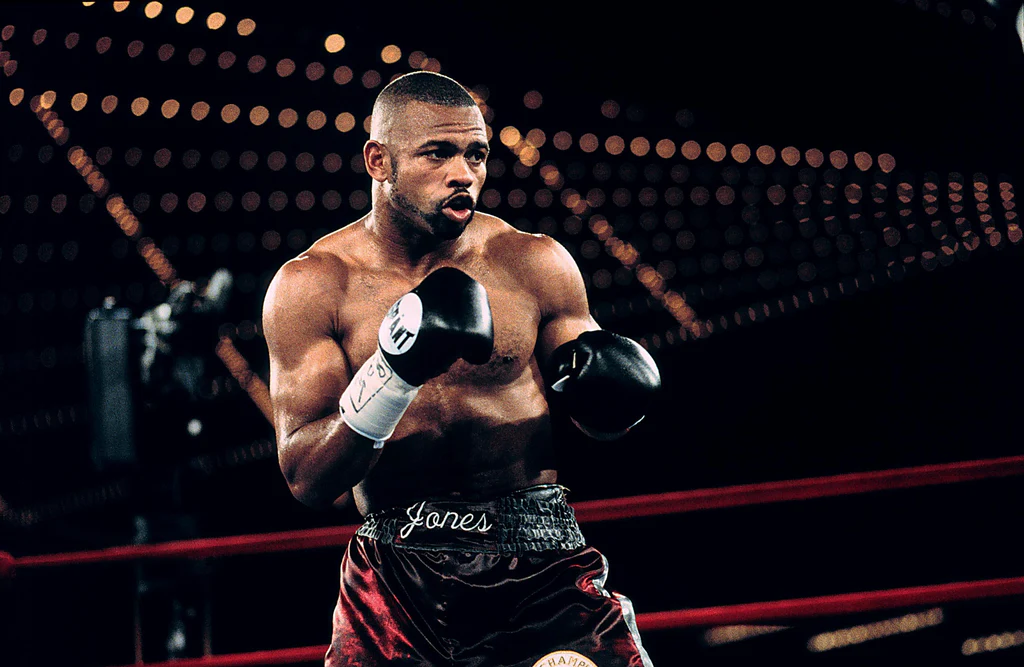
Weight classes structure boxing competition, theoretically ensuring fighters face opponents of similar size and physical capabilities. However, Pakistan’s boxing landscape demonstrates how weight class distribution, resource allocation, and competitive opportunities vary dramatically across divisions, creating advantages for fighters in certain categories while leaving others in near-competitive vacuums.
The Lighter Weight Class Advantage
Pakistani boxing has historically produced its most successful fighters in lighter weight divisions—flyweight through lightweight. Muhammad Waseem’s success at flyweight and light flyweight represents the pinnacle of this trend, but the pattern extends throughout Pakistani boxing history. Hussain Shah won his Olympic bronze medal at lightweight (then called light welterweight), and numerous national champions have emerged from the sport’s lighter divisions.
This concentration in lighter weights reflects both physiological realities and competitive dynamics. The average Pakistani male’s physical stature naturally produces more fighters suited to lighter divisions. Additionally, international competition in lighter weight classes often features opponents from Asian and Latin American countries rather than the larger Eastern European and African fighters who dominate heavier divisions, potentially providing more stylistically favorable matchups.
The depth of competition in lighter weight classes within Pakistan creates better training environments. Fighters have access to more same-weight sparring partners, coaches develop greater expertise training fighters in these divisions, and competitive opportunities arise more frequently because event organizers can more easily find fighters to fill cards in popular weight classes.
The Middleweight Through Heavyweight Wasteland
Conversely, Pakistani boxing’s middleweight, light heavyweight, and heavyweight divisions exist in relative scarcity. Few Pakistani fighters naturally carry the physical size for these divisions, and those who do often gravitate toward other combat sports or athletics disciplines where their size provides advantages with potentially better financial returns.
This scarcity creates compound problems. Fighters in heavier divisions struggle finding appropriate-weight sparring partners, potentially forcing them to spar regularly with smaller fighters who cannot replicate the power, reach, and physical pressure of actual division opponents. The limited competition pool means heavier fighters may face the same opponents repeatedly, preventing the diverse competitive experience that accelerates development.
Event organizers sometimes struggle to fill heavier weight class bouts on cards, potentially limiting competitive opportunities for fighters in these divisions. A heavyweight or light heavyweight fighter might wait months between bouts simply because promoters cannot find suitable opponents at their weight, regardless of the fighter’s readiness or desire to compete.
Weight Cutting Culture and Practice
Weight cutting—the practice of losing significant water weight before weigh-ins and then rehydrating before fights—exists throughout boxing worldwide, but its implementation in Pakistan faces unique challenges. Fighters attempting to compete below their natural weight class need knowledge of safe weight cutting protocols, access to nutritional guidance, and sometimes medical supervision to manage the process safely.
Many Pakistani fighters lack access to this expertise, potentially implementing dangerous weight cutting methods learned from unreliable sources. Extreme sauna use, severe dehydration, and extended caloric restriction can all compromise health and performance, yet fighters desperate for competitive advantages may attempt these approaches without proper guidance.
The economic dimension of weight cutting adds another layer of complexity. Fighters needing to maintain lower walking weights require consistent proper nutrition year-round, an expense some cannot afford. The temptation to compete at natural walking weight rather than cutting weight might lead fighters to compete in higher weight classes where they face size disadvantages against opponents who have cut weight to make the division.
Natural Weight Distribution and Competitive Balance
Understanding weight class dynamics requires recognizing that not all divisions will contain equal fighter populations. Pakistan’s demographic and physiological characteristics naturally produce more fighters suited to certain weight ranges. Rather than fighting this reality, the boxing ecosystem could adapt by creating more competitive opportunities in populated weight classes while finding creative solutions for less-populated divisions.
Some regional boxing markets address this through catchweight bouts—agreements between fighters to compete at negotiated weights between standard divisions. This flexibility allows more matchmaking possibilities when standard weight class restrictions would prevent bouts. Pakistani boxing could benefit from embracing such flexibility, particularly in heavier divisions where fighter scarcity makes standard divisional matchmaking difficult.
The Journey of Specific Fighters Across Divisions
Individual fighter experiences illustrate weight class dynamics concretely. Consider fighters like Muhammad Rehan Azhar, who competed professionally in the welterweight division. Welterweight represents a middle ground in boxing’s weight spectrum—not among the lightest divisions where Pakistani boxing concentrates, nor in the heavier divisions where fighter scarcity creates different challenges.
Welterweights face particular challenges in Pakistan’s boxing landscape. The division lacks the depth of lighter weight classes while not benefiting from the reduced competition in heavier divisions. Fighters must be large enough to handle welterweight’s physical demands while potentially facing opponents who have cut from higher weight classes, creating size disadvantages. The competitive middle ground means neither abundance of opportunities nor the easier advancement that sometimes occurs in sparsely populated divisions.
Amateur Versus Professional Weight Class Considerations
Amateur and professional boxing utilize slightly different weight class structures, creating additional complexity for fighters transitioning between systems. Olympic-style amateur boxing features specific weight limits that don’t always align perfectly with professional divisions, meaning fighters must sometimes adjust their target weight when turning professional.
The adjustment process can affect career trajectories significantly. A fighter who excelled at amateur lightweight might find professional lightweight more competitive or might have matured physically, making lightweight difficult to maintain. Decisions about which professional division to target influence everything from training approaches to competitive opportunities to long-term career viability.
Pakistani fighters navigating these decisions often lack the managerial guidance that helps international prospects optimize weight class selection. Without experienced advisors analyzing physical attributes, natural weight trends, and competitive landscapes across divisions, fighters may choose suboptimal weight classes that handicap their professional careers before they truly begin.
Training Implications of Weight Class Selection
Different weight classes demand different training emphases. Lighter weight fighters typically focus on speed, volume punching, and movement, while heavier fighters emphasize power development and inside fighting skills. A fighter’s natural physical attributes should guide weight class selection, but economic pressure or limited competition in natural weight classes might push fighters toward divisions requiring them to fight their physical nature.
Strength and conditioning programs must align with weight class demands. A flyweight fighter building excessive muscle mass might gain power but lose the speed advantages crucial to lighter division success. Conversely, a light heavyweight who doesn’t develop sufficient strength may struggle against naturally larger, more powerful opponents in the division.
Nutritional requirements vary by weight class as well. Lighter fighters maintaining low body weights require precise nutritional management to ensure adequate energy for training while avoiding weight gain. Heavier fighters need sufficient caloric intake to support their larger frames and power development while maintaining competitive conditioning levels.
The Economics of Weight Classes
Purse structures sometimes vary by weight class, with heavier divisions occasionally offering larger purses due to the “bigger is better” mentality that persists in combat sports. However, in Pakistan’s limited professional boxing economy, weight class rarely affects purses significantly at regional levels. Only at the highest competitive levels do weight class economics become relevant, and few Pakistani fighters reach those heights.
The concentration of Pakistani talent in lighter weight classes means those divisions might actually generate more domestic interest and potentially better purses at national levels, inverting the typical weight class economic hierarchy. A competitive flyweight bout between two skilled Pakistani fighters might draw better attendance and generate more excitement than a sparsely attended heavyweight bout between less skilled participants.
International Competition Opportunities by Weight Class
Weight class selection affects international competitive opportunities differently depending on global boxing landscapes. Lighter weight divisions feature strong Asian representation, creating more accessible international competition pathways for Pakistani fighters. Heavier divisions are dominated by fighters from regions like Eastern Europe, Africa, and North America, where average physical size produces natural advantages.
Pakistani fighters in lighter divisions can potentially find competitive international opportunities in neighboring countries or at Asian regional events. Heavier Pakistani fighters might struggle to find appropriately matched international opponents without traveling to regions where they face significant physical disadvantages against naturally larger opponents.
Gender and Weight Classes in Emerging Women’s Boxing
Women’s boxing in Pakistan remains in early development stages, with even more pronounced weight class imbalances than men’s boxing. The cultural and social challenges facing female Pakistani boxers mean that weight divisions with any competitive depth at all represent victories. Creating viable competitive landscapes across multiple women’s weight classes requires building overall participation first.
As women’s boxing develops, weight class considerations will emerge similar to those facing men’s boxing. Natural physical distributions will create weight classes with more participants and competitive depth while leaving others relatively sparse. Anticipating these dynamics and creating flexible competitive structures could help women’s boxing avoid some of the weight class challenges that plague men’s boxing.
Youth Development and Weight Class Pathways
Young fighters entering boxing naturally begin in lighter weight classes, but their physical development creates moving targets for optimal weight divisions. A 16-year-old competing successfully at bantamweight might mature into a natural lightweight or welterweight by age 22. Managing this progression requires coaches and fighters to adapt training and competitive approaches as bodies change.
The uncertainty about eventual adult weight classes complicates long-term development planning. Training a young fighter extensively in techniques optimal for lighter divisions might prove counterproductive if they eventually compete at welterweight or middleweight. Conversely, assuming fighters will grow into heavier divisions could leave them unprepared if they remain in lighter weight classes.
Strategic Weight Class Manipulation
Some fighters strategically select weight classes based on competitive landscapes rather than natural physical attributes. Choosing to compete in divisions with weaker competition, even if requiring difficult weight cuts or fighting at size disadvantages, might provide better records and more victories than competing in natural weight classes with stronger fields.
This strategic calculation requires sophisticated analysis that many Pakistani fighters cannot access. Understanding comparative competition strength across weight divisions, predicting how weight cuts will affect performance, and projecting long-term career implications of weight class choices all require expertise often unavailable to Pakistani boxers making these critical decisions.
Regional Event Programming and Weight Class Balance
Event promoters face weight class challenges when programming boxing cards. Creating competitive, entertaining events requires matching fighters appropriately, but weight class constraints limit matchmaking flexibility. In Pakistan’s limited fighter pools, finding enough fighters across sufficient weight classes to fill competitive cards presents genuine organizational challenges.
Some promoters address this through catchweight bouts, super fights, or exhibition matches that provide entertainment value without requiring strict weight class adherence. Others might feature the same weight classes repeatedly across multiple events because those divisions contain sufficient depth to create multiple viable matchups. These pragmatic solutions keep boxing events viable but may limit opportunities for fighters in less-populated divisions.
Medical and Safety Considerations Across Weight Classes
Weight class regulations exist partially for safety—ensuring fighters don’t face opponents drastically larger and more powerful than themselves. However, weight cutting practices sometimes undermine this safety purpose, as fighters who cut excessive weight to compete in lower divisions may still possess size and power advantages over naturally smaller opponents in those divisions.
Pakistani boxing’s limited medical oversight during weight cuts creates potential safety issues. Fighters severely dehydrating without medical monitoring risk health complications that could prove dangerous when combined with the physical trauma of boxing. Establishing weight class regulations that account for both weigh-in weights and fight-night weights, as some international organizations have implemented, could improve safety.
The absence of comprehensive medical protocols in Pakistani boxing means weight class safety considerations often rely on individual fighter and trainer judgment rather than systematic medical oversight. This increases risk, particularly for younger or less experienced fighters who may not fully understand safe weight management practices.
Weight class dynamics in Pakistani boxing reflect broader structural challenges facing the sport. The concentration of talent in lighter divisions creates competitive depth there while leaving heavier divisions sparsely populated. Addressing these imbalances requires creative solutions—flexible weight agreements, targeted development programs for heavier fighters, and realistic acknowledgment that not all divisions will achieve equal competitive depth. Understanding these dynamics helps contextualize individual fighter challenges and identifies opportunities for systematic improvements that could benefit Pakistani boxing’s overall development.
