Entertainment has quietly transformed into one of the most complex economic and cultural systems of the digital age. What audiences experience as movies, music, games, and shows is now powered by algorithms, data-driven creativity, and hyper-engaged global fandoms. This shift has changed not only how entertainment is consumed, but how it is financed, produced, and culturally valued.
Today’s entertainment industry is less about individual hits and more about ecosystems—interconnected networks of platforms, creators, technologies, and fan-driven economies. Understanding this transformation reveals why modern entertainment operates more like a decentralized digital market than a traditional creative industry.
Algorithmic Curation: The Silent Creative Director
Algorithms no longer simply recommend content; they actively influence what gets made. Streaming platforms analyze massive datasets—viewer completion rates, pause moments, rewatch behavior, and emotional engagement—to shape future production decisions.
On platforms like Netflix, algorithmic insights influence:
-
Episode length and pacing
-
Genre blending strategies
-
Casting decisions based on regional engagement
-
Release timing and binge-readiness
This feedback loop creates a new form of algorithmic storytelling, where narratives are subtly optimized for retention rather than traditional artistic arcs. The result is entertainment designed to be emotionally sticky, often favoring cliffhangers, morally complex characters, and multi-season scalability.
While critics argue this risks creative homogenization, defenders note that algorithms have also:
-
Enabled niche genres to find global audiences
-
Reduced reliance on traditional gatekeepers
-
Accelerated international content discovery
The Rise of Fandom Economies as Cultural Infrastructure
Modern fandoms function as self-sustaining micro-economies. No longer passive consumers, fans actively contribute to the financial and cultural success of entertainment properties.
Key characteristics of fandom economies include:
-
User-generated content (fan fiction, edits, reaction videos)
-
Direct-to-creator monetization via memberships and tips
-
Merchandising ecosystems driven by limited editions and drops
-
Cultural amplification through social platforms
Music artists on Spotify and video creators on YouTube rely heavily on fandom-driven virality to sustain long-term relevance. In many cases, fan communities generate more visibility than traditional marketing campaigns.
What makes this phenomenon powerful is emotional investment. Fans are not just supporting content; they are participating in identity formation, aligning entertainment properties with personal values, aesthetics, and social belonging.
Virtual Worlds as the New Entertainment Hubs
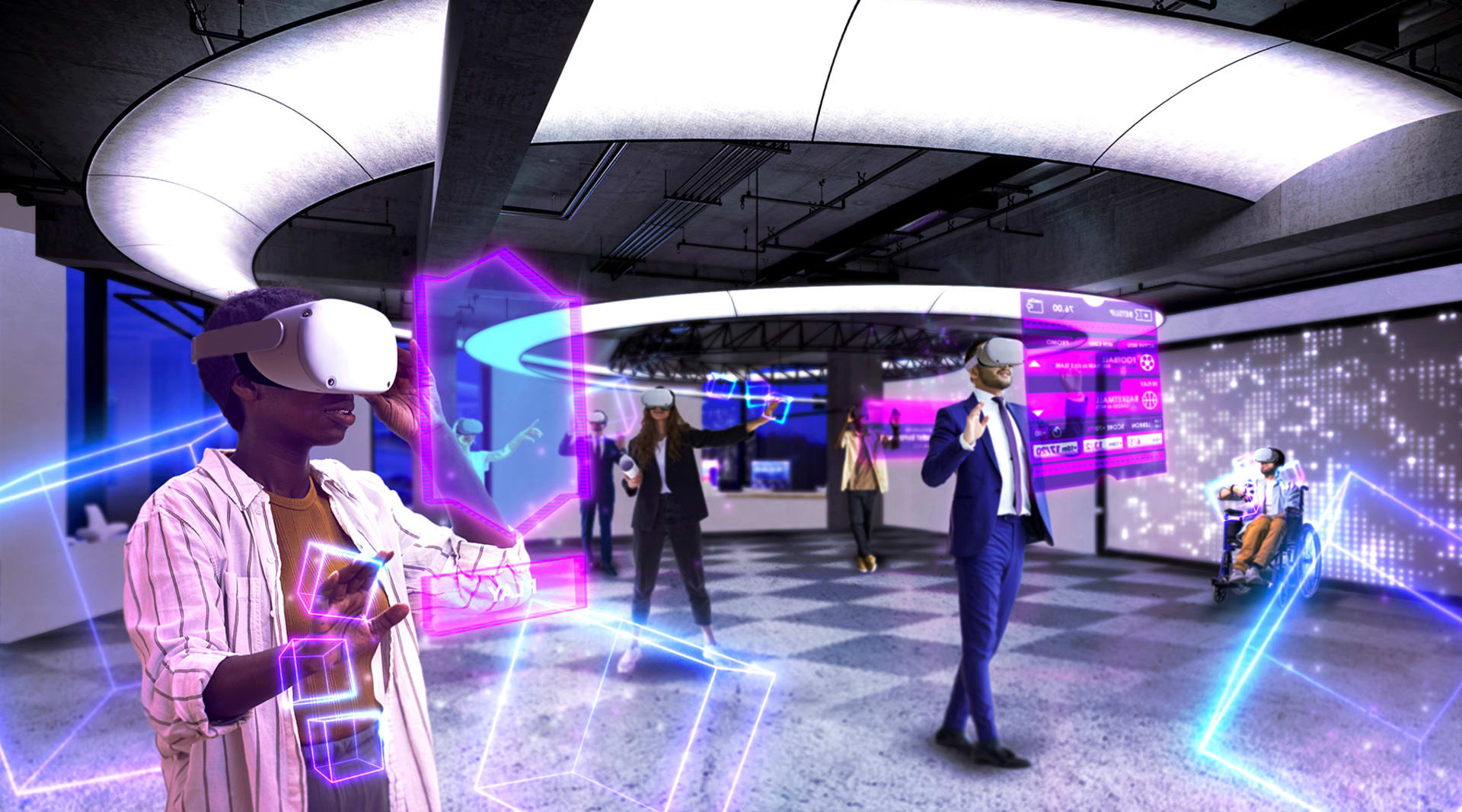
Entertainment has expanded beyond screens into immersive digital environments. Video games and virtual platforms are now hosting concerts, film premieres, and interactive storytelling experiences.
In spaces like Fortnite, entertainment becomes:
-
Participatory rather than passive
-
Social rather than solitary
-
Persistent rather than time-bound
These environments blur the line between entertainment, social media, and digital commerce. Virtual events attract millions of concurrent participants, offering experiences that traditional venues cannot replicate.
The economic implications are significant:
-
Virtual goods generate real revenue
-
Digital attendance scales infinitely
-
Brands integrate seamlessly into narrative environments
This evolution positions entertainment as an ongoing service rather than a one-time product.
Short-Form Content and the Compression of Creativity
Short-form platforms have reprogrammed audience attention spans and narrative expectations. On TikTok, storytelling operates under extreme time constraints, forcing creators to compress emotion, humor, and narrative payoff into seconds.
This has influenced the broader entertainment industry by:
-
Encouraging modular storytelling
-
Elevating moments over arcs
-
Rewarding immediacy and repeatability
Interestingly, short-form content often acts as a discovery engine rather than a replacement for long-form entertainment. Viral clips frequently drive audiences toward full-length shows, albums, or films, creating a symbiotic relationship between formats.
Data-Driven Celebrity and the End of Mystique
The modern celebrity is no longer distant or enigmatic. Social platforms demand constant presence, transparency, and interaction. Fame is now sustained through consistent engagement metrics, not just major releases.
Characteristics of data-driven celebrity include:
-
Continuous content output
-
Real-time audience feedback loops
-
Brand partnerships integrated into personal identity
-
Algorithmic visibility management
This shift has democratized fame but also made it fragile. Visibility can surge or disappear based on platform changes, audience sentiment, or algorithmic updates. Celebrity becomes less about status and more about sustained relevance.
Entertainment as Cultural Soft Power
Entertainment increasingly functions as a form of global influence. Streaming platforms distribute cultural narratives across borders, shaping perceptions, aesthetics, and social norms.
Key outcomes include:
-
Cross-cultural genre hybridization
-
Localization strategies for global appeal
-
Increased demand for diverse representation
-
Cultural exchange driven by entertainment, not politics
Rather than exporting a single dominant culture, modern entertainment fosters cultural convergence, where influences flow multidirectionally.
The Future: Entertainment Without Boundaries
The future of entertainment lies in convergence:
-
Stories that span platforms
-
Fans who are co-creators
-
Virtual spaces that host shared experiences
-
Algorithms that influence creativity in real time
Entertainment is no longer a discrete industry. It is a living system, continuously shaped by technology, audience behavior, and global connectivity.
Frequently Asked Questions (FAQ)
How do algorithms influence creative decisions in entertainment?
Algorithms analyze audience behavior to guide content pacing, genre selection, and release strategies, subtly shaping creative outcomes.
Are fandoms financially important to entertainment brands?
Yes, fandoms generate revenue through merchandise, subscriptions, digital goods, and organic promotion, often surpassing traditional marketing value.
Why are virtual worlds becoming entertainment venues?
Virtual worlds offer scalable, interactive experiences that combine social interaction, storytelling, and commerce in ways physical venues cannot.
Does short-form content reduce attention spans permanently?
Short-form content reshapes consumption habits but often acts as a gateway to long-form entertainment rather than a replacement.
Is celebrity culture becoming more unstable?
Yes, algorithm-driven visibility makes fame more accessible but also more volatile, requiring constant engagement to maintain relevance.
How does entertainment influence global culture?
Entertainment facilitates cross-cultural exchange by distributing narratives, aesthetics, and values across international audiences.
What makes modern entertainment different from past eras?
Its defining features are data-driven creativity, participatory audiences, platform convergence, and global reach, creating an interconnected cultural economy.
