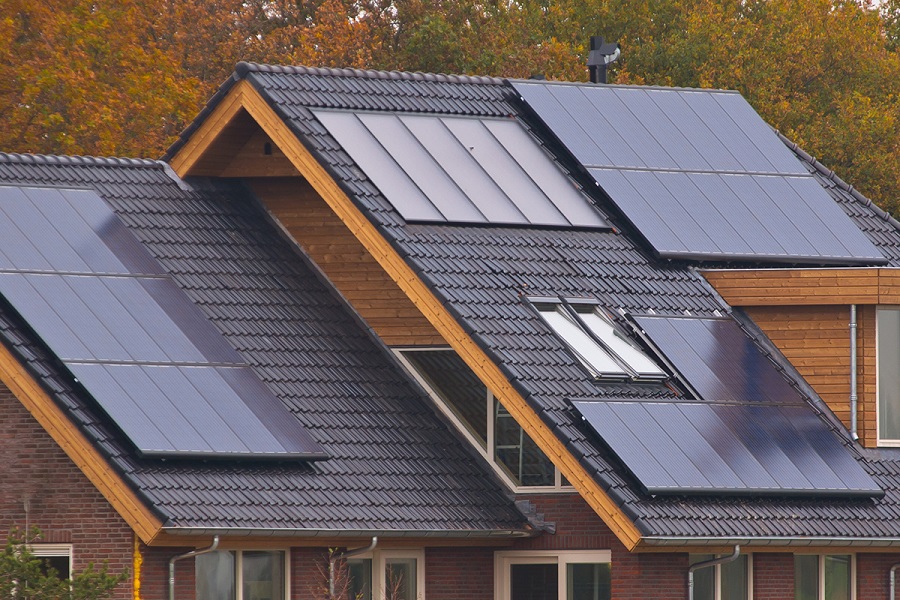
Residential solar adoption has expanded beyond rooftop panels and monthly utility savings. As smart home technology becomes more common, homeowners are paying closer attention to how the energy they generate is used throughout the day. As one of the nation’s largest residential solar providers, Freedom Forever Solar operates within a broader industry evolution in which solar systems are increasingly discussed alongside smart platforms, storage options, and digital tools intended to help coordinate energy use more efficiently.
Automation plays an expanding role in this shift. Rather than relying solely on manual adjustments, some households use systems designed to respond automatically to changing energy conditions. This approach can allow solar to function as part of a more coordinated household ecosystem rather than as a standalone feature. In this context, the perceived value of solar reflects not only how much energy is produced, but also how effectively that energy aligns with everyday routines and longer-term household planning.
Why Timing Matters in Solar Homes
Solar production follows consistent daily patterns, rising during daylight hours and tapering later in the afternoon and evening. Household energy use, however, often reflects routine rather than production cycles. Morning preparations, evening cooking, entertainment systems, and climate adjustments frequently occur outside peak generation windows. When demand peaks during lower-production periods, homes may draw more heavily from the grid despite having generated substantial energy earlier in the day.
Aligning energy consumption with peak production improves self-consumption and reduces unnecessary grid reliance. Solar value depends not only on total output, but on how effectively supply and demand work together throughout the day. Even modest improvements in timing can strengthen overall efficiency and reduce strain on household energy systems.
Automated Scheduling Simplifies Energy Management
Automated scheduling makes alignment practical and sustainable. Smart platforms allow homeowners to establish timing preferences for appliances and connected systems, enabling energy-intensive tasks to operate when solar production is strongest.
Dishwashers, laundry equipment, electric vehicle chargers, water heaters, and pool pumps can run during high-production windows without daily intervention. Rather than adjusting routines repeatedly, households rely on systems that manage timing quietly in the background.
Device Coordination Creates a Unified System
Automation delivers greater impact when devices communicate with one another. Smart homes rely on coordination across lighting, climate control, appliances, electric vehicle charging, and energy storage. Shared communication enables systems to make balanced decisions instead of operating independently or competing for available power. Solar production data provides context for these interactions. Climate systems may adjust output slightly when generation rises. Charging systems may delay briefly during lower production intervals. Appliances can stagger their operation to avoid sudden spikes in demand. Energy use is distributed intelligently to maintain equilibrium and protect system stability.
This coordinated approach supports smoother performance and a more responsive home environment. Rather than functioning as separate components, devices operate within a connected framework. Solar delivers greater value when it operates inside this integrated network, where energy flows are structured, predictable, and carefully managed.
Adaptive Systems Respond to Changing Conditions
Adaptive automation adds another layer of intelligence. These systems respond to real-time conditions such as weather changes, occupancy shifts, grid signals, or storage levels. By continuously analyzing production and consumption patterns, they make incremental adjustments that keep the system balanced throughout the day. This responsiveness allows the home to remain efficient and stable even as external conditions evolve.
If production drops temporarily due to cloud cover, nonessential tasks can shift automatically. When stored energy levels rise, systems can support additional usage without drawing from the grid. If occupancy decreases, climate systems can adjust output modestly while maintaining comfort standards. Adaptive automation strengthens resilience by enabling homes to adapt smoothly to change with limited manual input.
Visibility Builds Confidence in Automation
Confidence plays an important role in adopting automation. Visibility helps establish that confidence. Monitoring dashboards and mobile applications show how automated actions align with production and usage patterns in real time.
Homeowners can see when devices operate, how much energy they consume, and how those actions influence overall performance metrics. Clear data presentation transforms automation from an abstract concept into a measurable system. Freedom Forever reviews often highlight communication and access to system information, with homeowners describing how transparency helps them understand how automated features interact with solar production and daily routines. These observations reflect how clarity supports comfort with advanced energy management tools.
Efficiency Without Ongoing Effort
One of automation’s most valuable benefits is reducing cognitive demand. Energy-conscious habits can fade when they depend on sustained focus or repeated decision-making.
Automation embeds efficiency into daily operations. Systems apply consistent logic regardless of changing schedules or busy routines. Homeowners benefit from alignment without revisiting choices repeatedly. Reliability becomes part of the household infrastructure. This consistency supports sustained solar performance, making efficiency the default rather than a task that requires reinforcement or reminders.
Storage and Automation Work in Tandem
Energy storage strengthens the impact of automation. Batteries capture excess solar production during high-output periods and make it available later when demand rises or generation slows.
Automation manages this flow strategically, drawing from stored energy when appropriate and recharging when production allows. Lighting, climate systems, and appliances continue operating smoothly as circumstances change. Together, storage and automation create predictability, allowing households to maintain routines without depending exclusively on real-time generation. This coordination enhances reliability while preserving flexibility.
A Shift in How Solar Value Is Defined
Automation has expanded how households define solar value. Financial savings remain important, but consistency, convenience, resilience, and clarity now carry equal weight in evaluating system performance.
Automated systems support these qualities by aligning energy use with production in a structured and dependable way. Households increasingly value systems that operate predictably, integrate seamlessly, and adapt intelligently. This shift mirrors broader expectations around home technology, where value emerges from thoughtful coordination rather than constant interaction.
Solar Value Through Coordination
Automation plays a central role in maximizing residential solar value. Scheduling aligns demand with supply. Device coordination improves balance. Adaptive systems respond dynamically to change. Visibility builds trust and understanding. Storage extends flexibility and stability.
Together, these elements allow solar to function as part of a cohesive household ecosystem. Energy management becomes structured, consistent, and approachable. As smart technology becomes standard, automation supports homes that treat solar as an active, integrated resource. The value of solar extends beyond production, shaped by how intelligently energy is managed each day.
