159
For over two decades, the global fashion landscape has been defined by rapid turnover, microscopic price tags, and endless hauls of trendy clothing. Fast fashion giants revolutionized retail by compressing the traditional runway-to-store timeline into mere weeks, convincing shoppers that outfits were essentially disposable. Consumers reveled in the ability to buy entirely new wardrobes every month without breaking the bank. However, cultural attitudes are shifting. A combination of environmental awakening, plummeting product quality, and the rise of alternative shopping avenues suggests that a reckoning is underway. The central question remains whether consumers are finally turning their backs on disposable clothing and embracing a more sustainable future.
The Rise and Reign of Disposable Clothing
To understand the current shift, it is necessary to examine how fast fashion captured the global market with such staggering speed. Retailers mastered supply chain logistics to manufacture garments at unprecedented velocities. By cutting production costs through cheap labor, synthetic fabrics, and lax environmental regulations, these companies flooded the market with hyper-trendy items priced at a fraction of traditional retail costs.
Shopping transformed from a considered investment into a form of cheap entertainment. Micro-trends emerged and died out in a matter of weeks, driven by social media algorithms that rewarded novelty above all else. Consumers were conditioned to believe that wearing an outfit twice in public was a fashion faux pas. This relentless cycle of production and consumption created massive economic growth for retail conglomerates while masking the staggering ecological toll hidden behind cheap price tags.
The Hidden Costs Catching Up to Consumers
The illusion of cheap fashion is rapidly fading as the true cost of this industry becomes impossible to ignore. Awareness regarding environmental degradation, textile waste, and exploitative labor practices has broken into mainstream consciousness.
-
Environmental Toll: The fashion industry stands as one of the largest polluters on earth. Synthetic fibers like polyester and nylon shed microplastics into oceans with every wash, while textile dyeing remains a massive contributor to global water pollution.
-
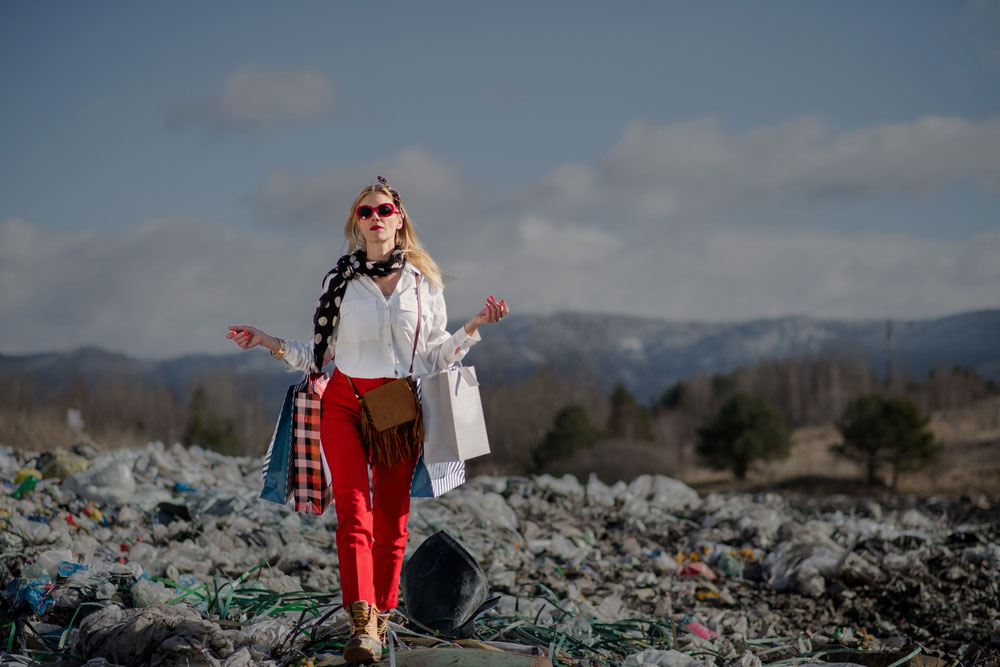
Landfill Overflow: Because fast fashion garments are designed for rapid obsolescence rather than durability, billions of items end up in landfills annually. Many of these synthetic materials take hundreds of years to decompose, creating toxic waste mountains across developing nations.
-
Labor Realities: Investigative reports detailing unsafe working conditions and poverty wages in offshore manufacturing hubs have shattered the disconnect between shoppers and the people making their clothes. Ethical concerns now weigh heavily on purchasing decisions, particularly among younger demographics.
The Quality Fatigue Factor
Beyond ethical and environmental concerns, a very practical driver is fueling the backlash against fast fashion: quality fatigue. Shoppers are growing deeply frustrated with garments that shrink, fade, pill, or fall apart after a single trip through the washing machine.
When a sweater loses its shape after two wears or a seam rips prematurely, the initial savings evaporate. Consumers are realizing that buying three cheap shirts that last a month costs more over time than investing in one durable piece that lasts for years. This frustration has sparked a widespread re-evaluation of value. People are measuring worth not just by the upfront price tag, but by cost per wear, durability, and craftsmanship.
The Resurgence of Secondhand and Alternative Markets
As disenchantment with traditional retail grows, alternative shopping methods are experiencing an unprecedented boom. Consumers are voting with their wallets by shifting spending toward resale platforms, vintage boutiques, and peer-to-peer marketplaces.
Thrifting has transitioned from a niche hobby born of necessity into a mainstream status symbol. Younger generations, in particular, view secondhand shopping as a badge of honor and a way to express unique personal style without supporting destructive manufacturing cycles. Additionally, rental services and clothing swaps are gaining traction, proving that the desire for wardrobe variety can be satisfied without continually adding new items to global waste streams.
How Brands Are Forced to Adapt
The changing consumer mindset has left traditional fast fashion retailers scrambling to protect their market share. Many companies are attempting to rebrand through marketing campaigns focused on eco-friendly collections, recycling bins in stores, and promises of sustainable materials.
However, these efforts often face intense scrutiny. Critics frequently dismiss these initiatives as greenwashing, pointing out that the core business model of producing massive volumes of disposable clothing remains unchanged. Retailers that fail to implement genuine structural changes in their supply chains and production volumes are finding themselves increasingly alienated from modern, conscious consumers.
The Path Forward for Sustainable Style
The decline of fast fashion does not mean the end of personal style or affordable clothing. Instead, it signals a transition toward mindful consumption. Building a capsule wardrobe, prioritizing natural fibers like cotton, linen, and wool, and learning basic garment care and mending skills are becoming popular ways to engage with fashion responsibly. By slowing down the consumption cycle, shoppers are reclaiming control over their closets and sending a clear message to the retail industry that durability and ethics matter.
Frequently Asked Questions
What exact criteria define a clothing brand as fast fashion?
Fast fashion brands typically rely on ultra-fast supply chains, low-cost synthetic materials, frequent collection drops, and aggressive pricing strategies designed to encourage rapid, high-volume consumption and quick disposal.
Are eco-friendly collections from fast fashion brands trustworthy?
Many sustainability claims made by fast fashion companies are considered greenwashing. True sustainability requires reducing overall production volume and ensuring fair labor practices throughout the entire supply chain, which runs counter to the fast fashion business model.
How can a shopper easily identify durable, high-quality clothing?
Shoppers can check garment labels for natural fibers, inspect stitching for tightness and uniformity, examine fabric thickness by holding it up to the light, and look for reinforced seams that indicate careful construction.
What happens to donated clothes that do not sell in thrift stores?
Only a fraction of donated clothing is sold locally. The remainder is often baled and shipped to developing countries, where massive influxes of cheap textiles can disrupt local economies and overwhelm regional waste management systems.
How does the cost per wear concept change shopping habits?
Cost per wear divides the purchase price of an item by the number of times you wear it. This metric proves that an expensive, durable garment worn hundreds of times is ultimately cheaper and more economical than a cheap item worn twice before breaking.
Can vintage clothing really compete with modern fashion trends?
Vintage and thrifted items offer unique silhouettes, superior craftsmanship, and original designs that stand out in a market saturated by mass-produced uniformity, making them highly desirable for modern trendsetters.
