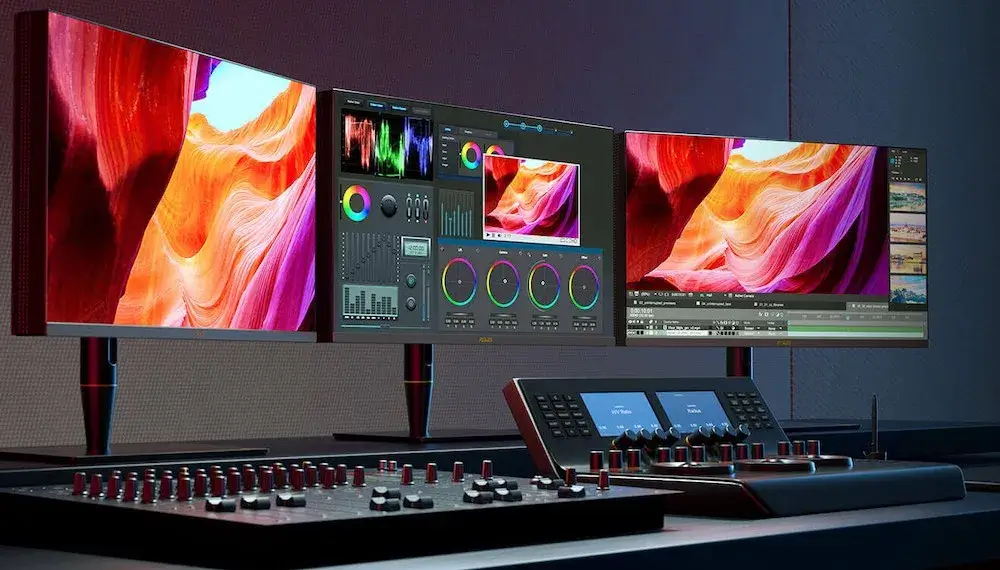
Professional photography is no longer defined solely by composition, light, and lenses. Today, technical decisions made after the shutter click can determine whether an image remains visually relevant and commercially viable five or ten years from now. With HDR displays becoming mainstream, wide-gamut color spaces replacing sRGB, and AI tools reshaping post-production, photographers must rethink how their workflows are designed.
This article explores advanced, non-generic strategies for building a photography workflow that preserves creative intent while staying compatible with emerging display standards and intelligent editing systems.
Table of Contents
ToggleWhy Traditional Photography Workflows Are Becoming Obsolete
Many experienced photographers still rely on workflows designed for print-centric or sRGB-based outputs, assuming that careful exposure and tasteful retouching are enough. That assumption no longer holds.
Modern platforms now support:
-
HDR image rendering
-
10-bit and 12-bit display pipelines
-
Wide-gamut color reproduction
-
AI-driven reinterpretation of tonal data
A workflow that clips highlights, compresses color prematurely, or discards bit depth is effectively throwing away future value.
The goal of a future-proof workflow is not trend-chasing—it is data preservation with intentional control.
Understanding Dynamic Range as a Long-Term Asset
Dynamic range is often treated as a technical specification, but in advanced photography, it should be considered a creative archive.
Capturing for Maximum Tonal Elasticity
Instead of exposing for immediate aesthetics, advanced workflows prioritize:
-
Highlight retention across all channels
-
Clean shadow information without aggressive noise reduction
-
Consistent exposure strategy across series or campaigns
This approach ensures that tonal relationships can be reinterpreted later for:
-
HDR delivery
-
Alternative color grading
-
Future display technologies
Avoiding Premature Contrast Decisions
High-contrast edits may look striking today but limit future adaptability. A future-proof approach separates:
-
Data capture
-
Creative interpretation
-
Output-specific rendering
This separation allows the same image to exist as multiple expressions without re-editing from scratch.
Wide Gamut Color Management Beyond Marketing Buzzwords
Wide-gamut color is often misunderstood as “more saturation.” In reality, it is about color accuracy, subtlety, and separation.
Choosing the Right Working Color Space
For advanced photographers, the working space should:
-
Encompass all captured sensor colors
-
Minimize clipping during aggressive edits
-
Remain compatible with modern export pipelines
Wide-gamut workflows allow:
-
More nuanced skin tone transitions
-
Cleaner gradients in skies and shadows
-
Greater separation between similar hues
Display Calibration as a Creative Decision
Calibration is not merely technical—it shapes perception. A future-proof workflow includes:
-
Regular calibration against known standards
-
Awareness of viewing environment light
-
Testing edits on multiple display types
This ensures that creative intent survives translation across devices.
HDR Photography as an Interpretive Medium, Not a Gimmick
HDR is often dismissed due to overprocessed aesthetics, but true HDR photography is subtle, controlled, and intentional.
Capturing HDR-Ready Files
HDR-ready capture focuses on:
-
Single-exposure dynamic range when possible
-
Exposure bracketing only when necessary
-
Consistent white balance across frames
The emphasis is on natural tonal continuity, not exaggerated local contrast.
Editing for HDR Without Alienating SDR Viewers
A future-proof workflow accounts for dual delivery:
-
HDR versions for compatible platforms
-
SDR versions that retain the same emotional impact
This requires mastering:
-
Tone mapping strategies
-
Perceptual contrast rather than numeric contrast
-
Luminance-aware color adjustments
High Bit Depth Editing: The Invisible Advantage
Bit depth is rarely discussed outside technical circles, yet it profoundly affects image longevity.
Why 16-Bit Editing Still Matters
Even when final outputs are 8-bit, editing in higher bit depth:
-
Prevents banding in gradients
-
Preserves color integrity during heavy grading
-
Allows smoother tonal transitions
High bit depth editing is essential when preparing images for:
-
Large-format displays
-
HDR platforms
-
Future re-exports
Storage Considerations for Long-Term Archives
Future-proof photographers treat storage as part of the creative process:
-
Retaining original RAW files
-
Archiving layered working files
-
Documenting color space and export intent
This archival discipline ensures that images can be revisited without degradation.
AI-Assisted Editing Without Creative Dependency
AI tools are transforming photography, but reliance without strategy risks homogenization.
Using AI as a Diagnostic Tool
Advanced photographers leverage AI to:
-
Analyze exposure balance
-
Identify masking opportunities
-
Suggest tonal corrections
The final decisions, however, remain human-driven.
Maintaining a Personal Visual Signature
A future-proof workflow ensures that:
-
AI presets are customized, not default
-
Automated edits are starting points, not conclusions
-
Manual refinement remains central
This prevents creative dilution while benefiting from efficiency gains.
Output-Agnostic Export Strategies
Images today are viewed on phones, HDR TVs, laptops, and gallery prints—often from the same source file.
Designing Modular Export Pipelines
Rather than re-editing per platform, advanced workflows:
-
Maintain a master interpretation
-
Apply output-specific transforms
-
Test across multiple delivery environments
This modular approach saves time and preserves consistency.
Metadata and Color Intent Preservation
Embedding correct metadata ensures:
-
Proper color interpretation
-
Accurate platform rendering
-
Reduced risk of unwanted compression artifacts
Future-proof photography respects both pixels and instructions.
The Psychological Shift: Thinking Like a Visual Archivist
Beyond tools and settings, future-proofing requires a mindset change.
Professional photographers increasingly act as:
-
Data curators
-
Visual archivists
-
Interpretive designers
This perspective values restraint, foresight, and adaptability over instant gratification.
By prioritizing preservation before expression, photographers gain creative freedom rather than losing it.
Conclusion: Longevity as a Creative Advantage
A future-proof photography workflow is not about chasing technology—it is about protecting creative intent across time, platforms, and evolving standards. HDR, wide gamut color, high bit depth, and AI are not threats to artistry; they are tools that reward those who plan intelligently.
Photographers who design workflows for tomorrow will find that their images age gracefully, adapt effortlessly, and retain emotional power long after trends fade.
Frequently Asked Questions
How is a future-proof photography workflow different from a traditional professional workflow?
A future-proof workflow prioritizes data preservation, wide-gamut color, high bit depth, and adaptable exports rather than optimizing solely for current display standards or print needs.
Is HDR photography relevant if most viewers still use SDR screens?
Yes. HDR-ready files contain richer tonal data that can be intelligently mapped to SDR while remaining adaptable for HDR platforms as adoption increases.
Do wide-gamut workflows affect how images look on social media?
When managed correctly, wide-gamut workflows improve color integrity even after conversion, reducing clipping and preserving subtle transitions.
How much storage is realistically needed for a future-proof archive?
Storage needs increase due to layered files and high-bit-depth formats, but strategic archiving and selective retention keep costs manageable.
Can AI tools replace manual color grading in advanced workflows?
AI can accelerate technical corrections, but manual grading remains essential for maintaining personal style and nuanced emotional control.
Is future-proofing only relevant for commercial photographers?
No. Fine art, documentary, and personal photographers also benefit from workflows that preserve creative flexibility over time.
How often should a future-proof workflow be reassessed?
A comprehensive review every one to two years ensures compatibility with evolving display standards, software updates, and creative goals.
