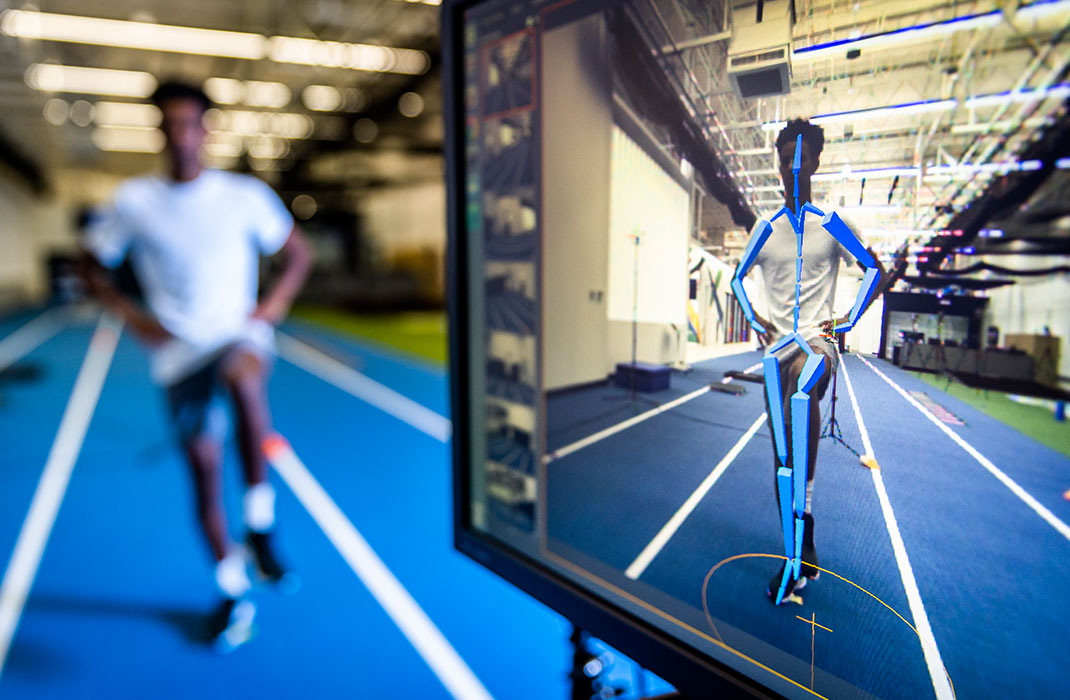
In modern high-performance sport, the difference between winning and finishing second is rarely about raw talent alone. At the elite level, neuro-muscular fatigue management has become one of the most decisive — and least visible — performance factors. While fans focus on tactics, transfers, or matchday execution, performance staff obsess over how an athlete’s nervous system, muscles, and recovery cycles interact under extreme competitive loads.
This article explores how elite sports organizations manage fatigue at the neuro-muscular level, why it matters more than ever, and how it is reshaping training, injury prevention, and longevity across professional sport.
Why Neuro-Muscular Fatigue Is More Than “Being Tired”
Traditional fatigue is often misunderstood as simple exhaustion. In elite sport, fatigue is a multi-layered physiological and neurological state that directly alters movement quality, decision-making speed, and injury risk.
Neuro-muscular fatigue occurs when the nervous system’s ability to activate muscle fibers efficiently is compromised. This results in:
-
Reduced force output despite full effort
-
Slower reaction times
-
Altered movement mechanics
-
Decreased coordination under pressure
Unlike cardiovascular fatigue, neuro-muscular fatigue does not always correlate with heart rate or perceived exertion, making it far more difficult to detect without advanced monitoring.
The Central vs Peripheral Fatigue Divide
Understanding fatigue requires separating its two primary components:
Central Fatigue
Central fatigue originates in the brain and spinal cord. It affects how effectively the nervous system sends signals to muscles.
Key characteristics include:
-
Decreased neural drive to muscles
-
Slower motor unit recruitment
-
Reduced cognitive sharpness during play
Central fatigue is heavily influenced by sleep quality, mental stress, travel schedules, and cumulative competitive pressure.
Peripheral Fatigue
Peripheral fatigue occurs within the muscles themselves. It involves metabolic byproducts, reduced calcium availability, and impaired muscle fiber contraction.
Signs of peripheral fatigue include:
-
Loss of explosive power
-
Muscle stiffness or heaviness
-
Reduced sprint repeatability
Elite performance teams monitor both types simultaneously, as addressing one while ignoring the other leads to incomplete recovery.
Why Modern Sports Schedules Amplify Fatigue Risk
Elite athletes today face unprecedented load density. Compressed seasons, global travel, and year-round competition leave little room for full neurological recovery.
Several structural factors intensify fatigue accumulation:
-
Congested competition calendars
-
Long-haul travel across time zones
-
Increased match intensity driven by tactical evolution
-
Commercial obligations reducing rest windows
The result is a constant balancing act between maintaining peak readiness and preventing chronic fatigue syndromes that silently erode performance.
How Fatigue Alters Movement Mechanics
One of the most dangerous aspects of neuro-muscular fatigue is that it changes how athletes move, often without their awareness.
Under fatigue:
-
Joint loading patterns shift
-
Landing mechanics become asymmetrical
-
Stabilizing muscles activate later than ideal
-
Compensatory movement strategies emerge
These changes increase stress on ligaments, tendons, and cartilage, significantly elevating injury risk — particularly non-contact injuries that seem sudden but are fatigue-driven.
The Role of Force-Velocity Profiling
Elite programs increasingly rely on force-velocity profiling to detect early fatigue signals. By tracking how an athlete produces force across different speeds, staff can identify subtle neuromuscular inefficiencies before performance visibly drops.
Common indicators include:
-
Declining peak power at high velocities
-
Disproportionate strength loss compared to speed
-
Delayed rate of force development
These insights allow training adjustments days — sometimes weeks — before fatigue manifests as injury or poor match output.
Wearable Technology and Neurological Load Tracking
The rise of advanced wearable systems has transformed fatigue monitoring. Beyond basic distance and speed metrics, modern devices estimate neurological load, measuring how often the nervous system must produce high-intensity signals.
Key data points monitored include:
-
High-intensity acceleration frequency
-
Deceleration stress exposure
-
Micro-variations in movement rhythm
-
Neuromuscular efficiency ratios
This data helps staff distinguish between “good fatigue” that stimulates adaptation and harmful fatigue that suppresses neural output.
Training Adaptation vs Performance Preservation
Elite training is no longer about pushing limits daily. Instead, it revolves around strategic stress application followed by precise recovery windows.
High-performance models now emphasize:
-
Micro-dosing intensity instead of prolonged overload
-
Alternating neural and metabolic stress days
-
Skill training under controlled fatigue conditions
-
Individualized recovery protocols based on fatigue profiles
This approach ensures adaptation without crossing the threshold into chronic neuro-muscular suppression.
Sleep as a Neurological Performance Tool
Sleep is not passive recovery — it is active neurological restoration. During deep sleep phases, motor learning consolidates and neural fatigue dissipates.
Elite athletes now follow:
-
Structured sleep timing protocols
-
Light exposure manipulation for circadian alignment
-
Pre-sleep nervous system down-regulation routines
-
Travel-specific sleep re-synchronization plans
Even minor sleep disruptions can significantly impair neuromuscular firing patterns the following day.
The Psychological Component of Fatigue
Mental stress and emotional load directly affect neural efficiency. High-pressure environments amplify central fatigue even when physical workload appears manageable.
Performance psychologists work alongside coaches to:
-
Reduce cognitive overload during congested periods
-
Streamline tactical instructions
-
Build mental recovery into training cycles
-
Monitor motivation fluctuations linked to fatigue
Ignoring psychological stress undermines even the most advanced physical recovery strategies.
Injury Prevention Through Fatigue Intelligence
Most elite non-contact injuries occur during fatigue states, not at maximal freshness. Understanding fatigue patterns allows staff to intervene proactively.
Preventative strategies include:
-
Removing athletes before movement quality degrades
-
Modifying training drills that amplify asymmetry
-
Scheduling strength work to reinforce fatigued patterns safely
-
Adjusting competitive exposure during high-risk periods
This intelligence-driven approach has reduced injury recurrence rates across multiple professional environments.
Longevity and Career Sustainability
Elite careers are increasingly measured not just by peak performance, but by durability across seasons. Neuro-muscular fatigue management plays a central role in extending competitive lifespan.
Athletes who master fatigue regulation:
-
Maintain explosive qualities longer
-
Avoid chronic overuse injuries
-
Recover faster between seasons
-
Adapt better to aging-related neural changes
Longevity is no longer accidental — it is engineered.
The Future of Fatigue-Driven Performance Models
As sports science evolves, fatigue management will move from reactive monitoring to predictive modeling. Machine-learning systems already analyze historical fatigue data to forecast risk windows before symptoms appear.
Future developments include:
-
Real-time neural efficiency scoring
-
Automated training load modulation
-
Individualized competition readiness forecasting
-
Integrated brain-muscle performance dashboards
Elite sport is entering an era where fatigue intelligence defines competitive advantage.
Frequently Asked Questions (FAQs)
What makes neuro-muscular fatigue different from general exhaustion?
Neuro-muscular fatigue specifically affects the nervous system’s ability to activate muscles efficiently, altering movement quality and reaction speed even when an athlete feels physically capable.
Can athletes perform well while still being neuro-muscularly fatigued?
Yes, short-term performance is possible, but movement inefficiencies increase injury risk and reduce consistency under pressure.
Why do non-contact injuries often happen late in games?
Accumulated neuro-muscular fatigue alters mechanics and joint stability, making athletes vulnerable during high-speed or reactive actions.
Is rest alone enough to restore neural function?
Rest is essential, but targeted recovery strategies like sleep optimization, nervous system regulation, and load management are equally critical.
How early can fatigue signals be detected?
With advanced monitoring, subtle neuromuscular changes can be detected days before performance visibly declines.
Does mental stress contribute to physical fatigue?
Yes, psychological load directly increases central fatigue and reduces neural output to muscles.
Will fatigue management become more important than physical training?
Rather than replacing training, fatigue management will determine how effectively training adaptations are retained and expressed in competition.
