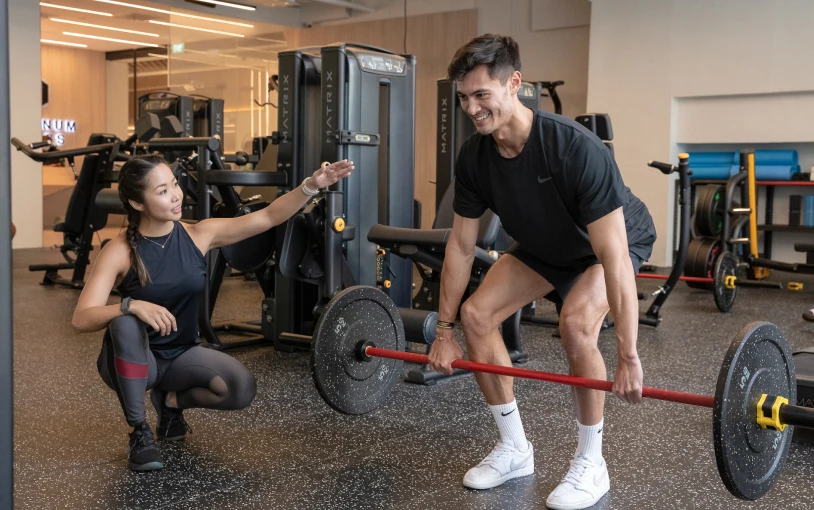
Fat loss is rarely about doing more, it is about doing the right work consistently while managing recovery. In Singapore, many people train hard, eat fairly well, and still feel stuck because their routine is not matched to their lifestyle stress, sleep quality, and recovery capacity. Some lean heavily on high-intensity interval training because it feels productive and time-efficient. Others prefer low-intensity steady-state sessions because they feel sustainable and easier on the body. The real answer is not that one is always better, it is about choosing the right tool at the right time, in the right dose. That is why a structured plan at a fitness gym singapore can make the difference between short bursts of progress and long-term results.
This article breaks down HIIT and low-intensity training with a practical fat loss lens, focusing on what actually works in real life, how to programme both methods, and how to avoid the common mistakes that lead to burnout, poor recovery, and stalled results.
What Fat Loss Really Requires, Beyond the Workout Type
The workout method matters, but it sits inside a bigger system. Fat loss requires a consistent energy deficit, enough protein and resistance training to maintain muscle, and recovery that allows you to repeat the process week after week.
Key principles that matter more than the trend:
-
Consistency across weeks, not intensity across days
-
Maintaining lean muscle mass, so metabolism does not drop sharply
-
Managing stress and sleep, which influence appetite and recovery
-
Choosing training you can repeat without breaking down
When you choose between HIIT and low-intensity training, you are really choosing which approach you can sustain alongside your work, family, and sleep patterns.
Understanding HIIT, What It Is and What It Is Not
HIIT is short bursts of high effort followed by recovery periods. The goal is to spike heart rate, challenge anaerobic capacity, and deliver a strong training stimulus in a shorter time.
True HIIT is:
-
Short and sharp
-
Difficult to sustain beyond 10 to 20 minutes of intervals
-
Dependent on proper recovery between efforts
-
Not meant to be done daily
HIIT is not:
-
45 minutes of nonstop “high intensity”
-
A session where form breaks down from fatigue
-
A replacement for strength training
-
A daily punishment routine
At a gym, HIIT can be delivered through intervals on bikes, rowers, treadmills, or through structured circuit stations, but the quality and intensity control matter.
Understanding Low-Intensity Steady-State Training
Low-intensity steady-state training is sustained movement at a conversational pace, usually 30 to 60 minutes. It is often done through incline walking, cycling, elliptical work, or steady rowing.
Low-intensity training supports fat loss by:
-
Increasing calorie burn without heavy fatigue
-
Improving aerobic base and heart health
-
Supporting recovery between strength sessions
-
Keeping stress hormones lower than repeated HIIT sessions
For many Singaporeans with demanding schedules, low-intensity training is the method they can do consistently without needing long recovery windows.
Calorie Burn, The Reality Check
People often assume HIIT burns more fat because it feels harder. HIIT can burn more calories per minute, but total weekly calorie burn depends on what you can sustain.
Practical comparisons:
-
HIIT burns more calories in less time, but you may do fewer sessions per week
-
Low-intensity burns fewer calories per minute, but you can often do it more frequently
-
The best fat loss outcomes usually come from combining both, supported by strength training
If HIIT leaves you exhausted and inconsistent, it becomes less effective than low-intensity training done reliably.
Muscle Preservation, The Hidden Priority for Fat Loss
Fat loss looks better and lasts longer when you keep muscle. Muscle supports metabolism, posture, strength, and body shape. Too much cardio, especially in a calorie deficit, can contribute to muscle loss if you are not lifting weights and eating enough protein.
Key recommendations:
-
Strength train 2 to 4 times per week as the foundation
-
Use HIIT and low-intensity as tools, not the main event
-
Prioritise protein intake and good sleep
A good gym routine positions cardio around strength training, rather than replacing it.
Hormones, Stress, and Why Some People Stall with Too Much HIIT
HIIT is powerful, but it is also stressful. If you are already under stress from work deadlines, poor sleep, long commutes, or high caffeine dependence, repeated HIIT can push your recovery over the edge.
Signs you may be overdoing HIIT:
-
Persistent fatigue and poor sleep
-
Increased cravings and appetite spikes
-
Mood changes and irritability
-
Reduced performance in strength workouts
-
Frequent aches in knees, hips, or lower back
In these cases, low-intensity training often brings better fat loss results because it supports recovery and consistency.
Injury Risk and Joint Stress, Especially for Busy Adults
In Singapore, many gym members are returning to exercise after long sedentary phases. HIIT can be higher risk if mechanics are poor, if body weight is high, or if you choose high-impact formats like jumping, sprinting, or aggressive plyometrics.
Lower-risk HIIT choices include:
-
Stationary bike intervals
-
Rowing intervals
-
Incline treadmill power intervals
-
Controlled sled pushes, if available
-
Low-impact circuit stations with strict form
Low-intensity training is generally joint-friendly, especially incline walking and cycling, making it a safer default for many people.
How to Choose the Right Method Based on Your Lifestyle
The best method depends on your current fitness level, recovery capacity, and schedule.
HIIT tends to suit you if:
-
You recover well and sleep consistently
-
You already have a strength training base
-
You have limited time and need efficiency
-
You can keep form clean under intensity
Low-intensity tends to suit you if:
-
You are stressed or sleep-deprived
-
You are managing joint discomfort
-
You are returning after a long break
-
You need more training volume without burnout
Many people will do best with a blended plan that changes across phases rather than committing to one method forever.
Sample Weekly Fat Loss Structure That Works in Real Life
Here is a practical structure you can apply at the gym, with flexibility for busy weeks.
Option A, Balanced Plan for Most People
-
3 strength sessions per week
-
1 HIIT session per week
-
2 low-intensity sessions per week
Option B, Fat Loss Plan for High Stress Weeks
-
3 strength sessions per week
-
0 to 1 HIIT session per week
-
3 low-intensity sessions per week
Option C, Time-Crunched Plan
-
2 to 3 strength sessions per week
-
1 HIIT session per week
-
1 low-intensity session per week
Consistency beats perfection. The best plan is the one you repeat without feeling wrecked.
How to Make HIIT Sessions More Effective, Not Just Harder
HIIT is most effective when the intervals are truly intense, and the recovery is respected.
Practical HIIT rules:
-
Keep total interval work around 10 to 20 minutes
-
Use a mode that lets you push safely, such as bike or rower
-
Maintain quality, stop when form collapses
-
Keep HIIT to 1 to 2 sessions per week for most people
You do not need to “die” every session. You need to perform, recover, and repeat.
How to Make Low-Intensity Sessions Count
Low-intensity training can feel too easy, but it adds up when done consistently. The key is to keep it truly low intensity and long enough to create meaningful weekly calorie burn.
Practical low-intensity rules:
-
Stay at a pace where you can speak in full sentences
-
Aim for 30 to 60 minutes per session
-
Use incline walking if you want higher burn without impact
-
Treat it as recovery, not punishment
For many gym members, low-intensity work is what keeps training sustainable across months.
Nutrition Tie-In That Most People Ignore
Cardio is not permission to eat anything. It is also not a replacement for diet structure. If you do HIIT, you may feel hungrier. If you do low-intensity, you might underestimate how much you are eating.
Practical nutrition guidelines that support both:
-
Prioritise protein at every meal
-
Build meals around whole foods most of the time
-
Keep ultra-processed snacks out of easy reach
-
Plan your post-workout meal instead of “winging it”
A gym routine works best when your food environment supports it.
Facilities like True Fitness Singapore make it easier to follow structured training plans consistently because you have access to cardio equipment options, strength training stations, and space to train in a controlled way, which improves both safety and progression.
FAQ: HIIT vs Low-Intensity Training for Fat Loss in Singapore
Which is better for fat loss if I only have 30 minutes?
HIIT can be more time-efficient if you can truly push intensity and recover well. If you are often tired or stressed, incline walking or steady cycling may be more consistent and still effective.
Can I do HIIT on the same day as strength training?
Yes, but it is usually better after weights, or on separate days. Keep the HIIT short and low impact so it does not interfere with strength recovery.
Why do I feel hungrier after HIIT?
HIIT can raise appetite in some people due to stress response and higher overall exertion. Planning protein and fibre intake helps control rebound hunger.
Is low-intensity training enough without HIIT?
Yes, if you strength train and keep nutrition consistent. Low-intensity training can be highly effective because it is easier to sustain frequently without excessive fatigue.
How do I know if I am overdoing HIIT?
If your sleep quality drops, your joints start aching, your performance falls, and your cravings rise, these are strong signs. Reduce HIIT frequency and add low-intensity sessions instead.
Does HIIT burn fat after the workout?
There is a small afterburn effect, but it is often overstated. Total weekly consistency and calorie balance matter more than afterburn.
What cardio is best if I have knee discomfort?
Incline treadmill walking, cycling, and rowing are often knee-friendlier choices. Avoid high-impact jumps and aggressive sprints until you build strength and control.
