Healthcare used to work like a TV show with long commercial breaks. You showed up sick, got treatment, and then disappeared until the next episode. Between visits, doctors had no clue what happened to patients. That setup limped along for generations, but now medical care runs 24/7, watching, tracking, and jumping on problems while they’re still small.
Why Healthcare Needs to Stay Connected
The appointment model has massive holes in it. Diabetes doesn’t care if your next checkup is three weeks away. Your heart could act up at 3 AM on Sunday. Blood pressure rises, harming health unnoticed. Hospitals send people home every day who look fine but aren’t. One in five are right back within a month. Why? Warning signs popped up at home; a little fever here, some swelling there, breathing that got tougher each day. Small stuff that turned ugly fast because nobody was paying attention. By the time someone noticed, ambulances were racing and emergency rooms were prepping.
Missing medication doses kills people. So does waiting too long for treatment. Symptoms that go unnoticed for days or weeks cause disasters that take months to fix. Insurance companies shell out billions for hospital stays that shouldn’t happen. Meanwhile, families watch helplessly as fixable problems spiral into medical nightmares.
How Always-On Technology Works
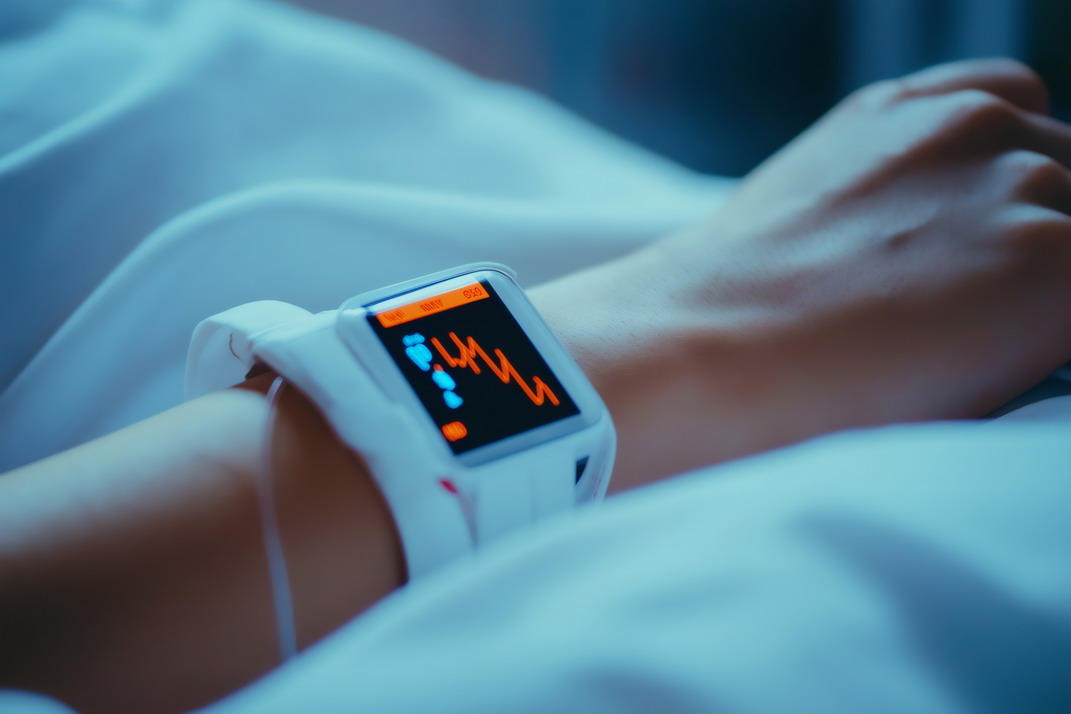
Think of these monitoring systems as tireless medical assistants who never need coffee breaks. Small devices monitor various health metrics, including sleep. Some stick on like Band-Aids. Others resemble wristwatches. A few hide in pockets or clip to shirts. Here’s the clever part: these devices never shut up. They’re constantly chattering away, sending measurements through Wi-Fi or cell towers to computers somewhere. Healthcare workers pull up dashboards that show exactly what’s happening with patients right now, not last week. Smart software hunts for trouble; weird patterns, numbers out of whack, anything fishy. Red flags pop up on screens. Phones buzz with alerts. Doctors know something’s wrong before patients feel the first symptom.
IoT medical device solutions brought this sci-fi vision to life. Companies like Blues IoT helped crack the code on making these connections rock-solid for situations where dropped signals could mean dropped lives. People wear monitors while grocery shopping, sleeping, working, and living regular lives. Every heartbeat gets logged. Every breath gets counted. No notebooks, no remembering to check anything. Just comprehensive health tracking that happens automatically in the background.
Benefits That Change Lives
Early detection saves money, suffering and lives. That funky heart rhythm on Tuesday morning gets treated before it causes Friday night’s stroke. Blood pressure climbing? Medications get tweaked before kidneys take a hit. Surgery patients developing infections? Caught and treated while still minor.
Freedom comes with the technology too. Hospitals discharge patients days earlier when monitoring continues at home. Constant data monitoring helps grandparents remain independent. Parents stop panicking about kids with asthma or epilepsy. That safety net stays up every second, not just during office hours.
Dollar signs matter here. One prevented emergency room visit saves five grand easy. Dodging a readmission keeps everyone’s costs down. Playing offense with health problems beats playing defense every time. Insurance companies love it. Hospitals love it. Families really love it when bills don’t destroy savings accounts.
Conclusion
Always-on healthcare breaks the old rules completely. No more blind spots between appointments where problems fester. It’s time to stop hoping things stay stable until the next visit. Technology observes everything continuously, prepared to issue warnings when bodies falter. Patients are constantly connected to medical expertise. It is more than just an improvement. It’s healthcare finally functioning in a way that health itself does: consistently, not just during scheduled appointments.
